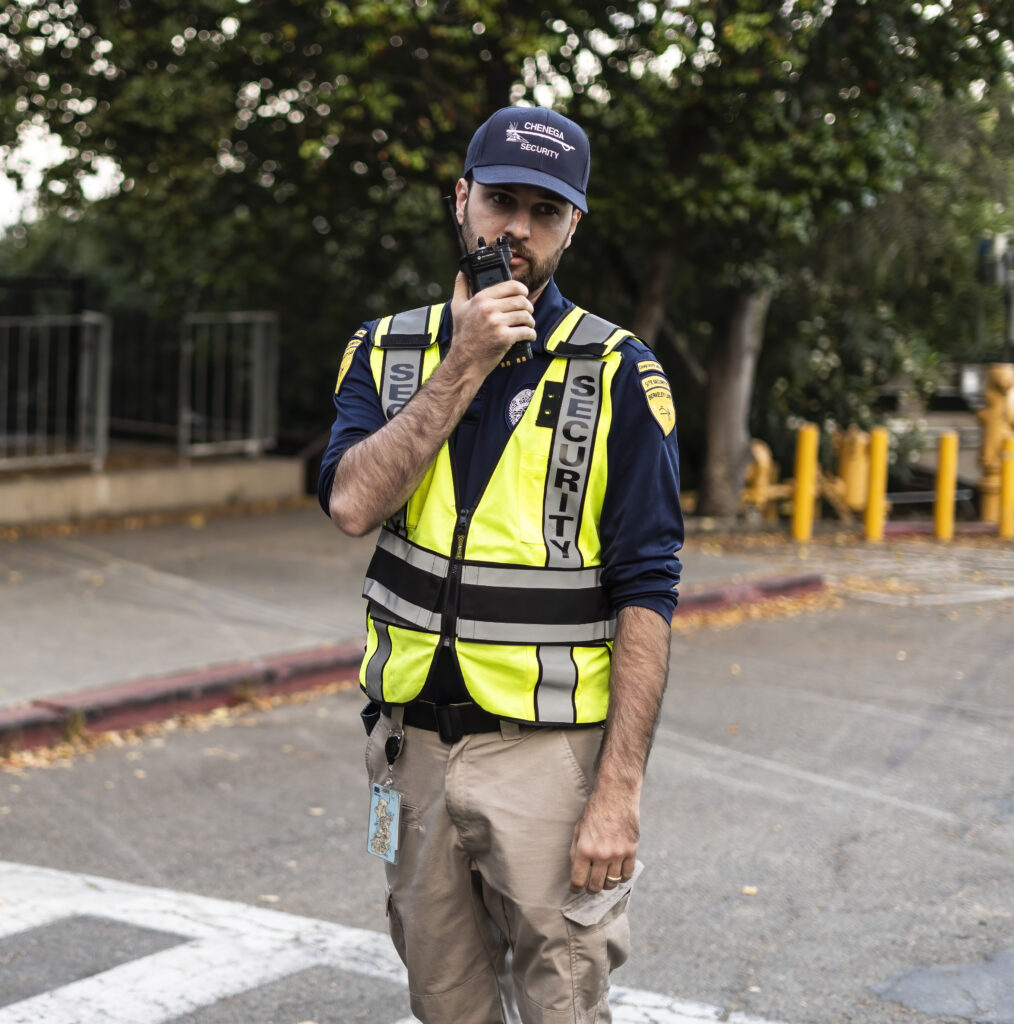
LBNL uses two-way radios across the organization to support emergency response, public safety activities and normal day to day operations. Over 30 channels or “talkgroups” are used across 8 divisions to support the Lab. The radios in-use at the Lab and our radio tower are part of a larger regional Federal Trunked System operated by Lawrence Livermore National Laboratory (LLNL) and used by several Federal entities around the Bay Area.
The Office of Emergency Management (OEM), within Security and Emergency Services (SES) Division are responsible for day to day administration of the radio program at the Lab, including assisting with procuring new units, programming, maintenance and repairs.
Below are answers to common questions about the program.
Equipment Ordering & Procurement:
How do I order new radios or accessories (such as batteries) for my team?
Please email emergencymanagement@lbl.gov to initiate the process. OEM will work with you and our radio equipment vendor to provide a quote you can use in your division’s normal procurement request process. Divisions are responsible for funding their own radio purchases.
Accessories such as batteries may be delivered directly to end users, radio transceivers must be routed to OEM for programming and configuration before deployment.
Please note: Motorola has long lead times for items including accessories such as batteries, typically quoted at 180 days. If you require faster turnaround time, please include this with your initial request. We also recommend proactively procuring consumables such as batteries. As a best practice, teams should maintain at least two batteries per radio (one in use, one charging or as a backup), plus 1-2 spare batteries for every 5-10 radios in your fleet. This ensures you have adequate replacements available while waiting for battery orders to arrive, and accounts for normal battery degradation over time.
Maintenance & Repairs:
How do I request programming changes or repair/replacement of a damaged radio?
Please submit a radio service request using this form.
What should I do if my radio is lost or stolen?
Follow your division’s process for reporting lost and stolen property and fill out the lost or stolen radio equipment form.
How do I dispose of non-working batteries?
Place batteries in a green battery bucket, following the follow instructions on the bucket. Certain battery types need tape over terminals to prevent shorting. For more information, contact your Building Manager.
Operations & Usage:
My radio isn’t working properly or seems to have lost signal. What should I check first?
Before contacting OEM for support, try these basic troubleshooting steps:
- Check the battery – Ensure the battery is fully charged and properly seated in the radio. Try swapping with a known good battery if available.
- Verify you’re on the correct talkgroup – Check that your radio is set to the appropriate talkgroup for your team’s operations. If you’re unsure which talkgroup you should be on, contact your line management.
- Check your location – The LLNL trunked radio system has multiple sites across the region. If you’re in an area with poor coverage (basement, remote location, etc.), try moving to a different location or closer to a window.
- Power cycle the radio – Turn the radio off, remove the battery for 10 seconds, reinsert it, and power back on.
- Check for physical damage – Inspect the radio, antenna, and any connected accessories for visible damage.
If these steps don’t resolve the issue, please email emergencymanagement@lbl.gov with a description of the problem, the radio’s DOE asset tag number, and your contact information.
My radio is displaying a message that says “Site Trunking.”
This happens when the LBNL radio tower is temporarily disconnected from the larger federal radio network managed by LLNL. When this occurs, your radio can still operate but can only talk to other radios connected to the LBNL tower.
If you try to communicate with someone whose radio is connected to another tower (like the Presidio site), your messages will not reach them (and you will not be able to hear their messages). On some radios, there are dedicated buttons under the push-to-talk button on the right side of the radio to display which site/tower you are connected to and to trigger the radio to “search” for a new site.
How should I properly store, charge, and care for my radio and batteries?
Store radios in a cool, dry location and remove batteries from radios during long-term storage, maintaining both separately. Keep battery contacts clean and free of debris, and inspect your equipment regularly for damage, and report any issues promptly to emergencymanagement@lbl.gov. Only use approved Motorola chargers and batteries on LBNL radios.
New batteries should be charged within 1 month of receipt and stored batteries should be recharged to at least 50% charge every 9 months. Do not leave batteries installed on equipment or placed in chargers for long term storage. Failure to charge batteries in storage may lead to permanent damage.
Who should I contact for radio support or questions?
Email emergencymanagement@lbl.gov.

